
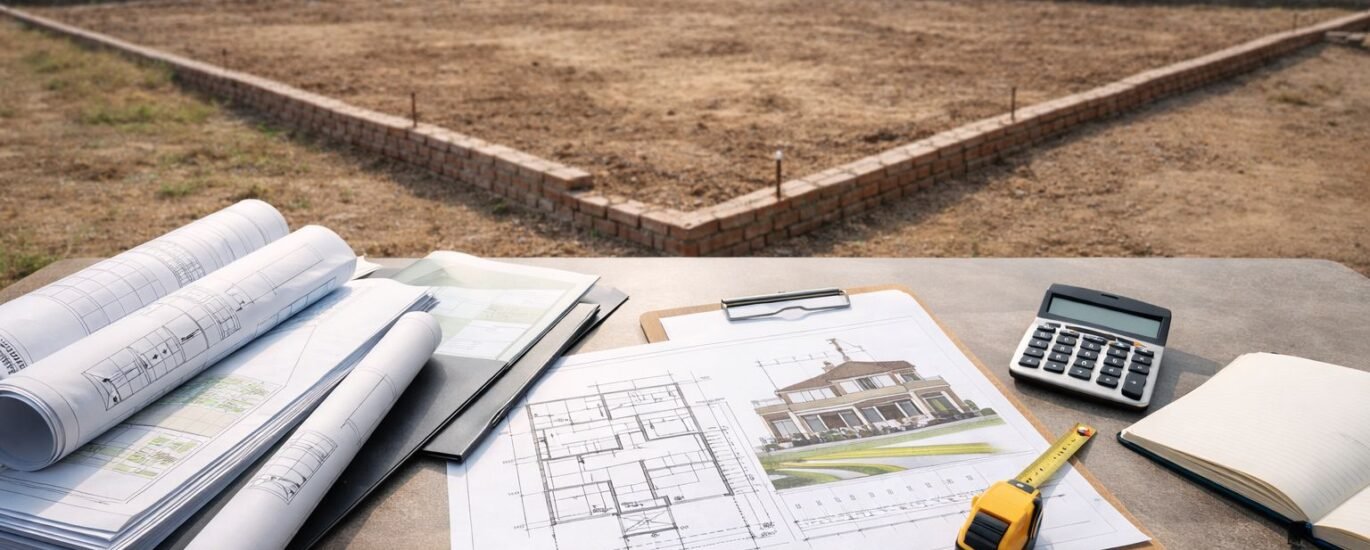
Building your dream home is one of the biggest investments of your life. Understanding the home construction process helps you avoid costly mistakes, delays, and quality issues. Whether you are building in Hyderabad or anywhere in India, following a structured checklist ensures smooth execution from planning to handover.
Introduction to the Home Construction Process
The home construction process is a structured method of building a house from planning to final handover. It includes design, approvals, foundation work, structural construction, finishing, and quality checks.
In 2026, the average home construction cost in Hyderabad ranges between:
- ₹1,800 – ₹2,200 per sq. ft (standard construction)
- ₹2,300 – ₹3,000 per sq. ft (premium construction)
Costs vary depending on materials, design complexity, and contractor quality.
If you are planning to build a house, you can explore our Residential Construction Services in Hyderabad to understand how professional execution makes the home construction process smooth and transparent.
Phase 1: Pre-Construction Stage
This stage focuses on planning and legal preparation.
1. Budget Planning
Before starting the project, it is important to understand the latest construction cost per sq ft in Hyderabad so you can plan your finances accurately and avoid budget overruns.
Before starting the home construction process, finalize your:
- Total budget
- Bank loan (if required)
- Emergency buffer (10–15% extra recommended)
Clear financial planning prevents project delays.
2. Plot Verification
Check the following:
- Clear title documents
- Local authority approvals
- Layout permissions
- Proper site boundaries
Legal verification avoids future disputes.
3. Soil Testing
Soil testing determines:
- Foundation depth
- Load-bearing capacity
- Type of foundation required
Strong foundation design depends on soil quality.

Best Construction Company in Hyderabad? ➡️Request a Free Site Visit
Phase 2: Design and Approvals
This is the planning and drawing stage.
4. Architectural Design
Includes:
- Floor plan
- Elevation design
- Room layout
- Ventilation planning
Good design reduces future modifications.
5. Structural Design
Structural drawings define:
- Column sizes
- Beam dimensions
- Slab thickness
- Steel reinforcement details
This ensures safety and durability.
6. Government Approvals
Obtain approvals from:
- GHMC or local municipal authority
- Water and drainage department
- Electricity department
Construction should not begin without approvals.
Here You can check the latest approval process directly on the GHMC building approval guidelines before starting construction.
Phase 3: Construction Stage
This is where physical work begins.
7. Site Preparation
- Land cleaning
- Layout marking
- Excavation for foundation
Accurate marking prevents structural errors.
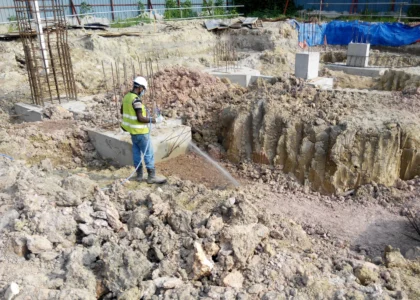
8. Foundation Work
Includes:
- PCC (Plain Cement Concrete)
- Footings
- Column casting
- Foundation concrete
The foundation is the most critical part of the home construction process.
9. Superstructure Work
- Columns and beams
- Slab casting
- Brick or block work
Proper curing of concrete (7–14 days) ensures strength.
Phase 4: Internal Work
10. Electrical and Plumbing Work
Before plastering:
- Electrical conduits installed
- Switch boxes fixed
- Plumbing pipelines laid
- Drainage lines connected
Proper MEP work prevents future repairs.
11. Plastering and Waterproofing
- Internal wall plaster
- External plaster
- Bathroom waterproofing
- Terrace waterproofing
Waterproofing is essential during monsoon seasons.
12. Flooring and Tiling
- Vitrified tiles or granite
- Bathroom wall tiles
- Kitchen platform
- Staircase finishing
Check slopes in bathrooms for proper water flow.
Phase 5: Finishing Stage
13. Woodwork
- Door frames and shutters
- Windows
- Wardrobes
- Modular kitchen
Use termite-resistant materials for durability.
14. Painting
- Wall putty
- Primer coating
- Interior painting
- Exterior painting
Good painting improves both protection and appearance.
15. Final Fixtures
- Electrical fittings
- Bathroom fittings
- Lights and switches
- Water taps and sanitary items
Final Inspection and Handover
Before completion of the home construction process, ensure:
- No leakage issues
- Electrical systems working properly
- Proper water drainage
- Snag list corrections completed
- Warranty documents handed over
Professional construction companies usually perform 150–200 quality checks before handover.
Why Following the Home Construction Process Matters
A systematic home construction process:
- Reduces delays
- Controls costs
- Improves construction quality
- Prevents future maintenance problems
- Ensures safe structure
Many projects face delays due to poor planning or unstructured execution. Choosing an experienced contractor improves project speed and transparency.
Final Conclusion
A well-planned home construction process ensures quality, cost control, and timely completion. From foundation to final finishing, every stage must be handled professionally.
If you are planning to build in Hyderabad, ➡️PNK Constructions offers a structured, transparent, and quality-focused approach to turn your dream home into reality.
Frequently Asked Questions – Home Construction Process
1. What is the home construction process step by step?
The home construction process includes planning, soil testing, design approval, foundation work, structural construction, electrical and plumbing installation, plastering, flooring, painting, and final handover. Each stage must be completed in order to ensure safety and quality.
2. How long does the home construction process take?
For an independent house of 1,500–2,000 sq. ft, the home construction process usually takes 6 to 9 months. The duration depends on design complexity, labor availability, weather conditions, and material supply.
3. What is the average cost of the home construction process in 2026?
In Hyderabad, the average construction cost in 2026 ranges from ₹1,800 to ₹3,000 per sq. ft depending on material quality and specifications. Premium finishes and custom designs may increase the cost.
4. Why is soil testing important in the home construction process?
Soil testing determines the load-bearing capacity of the land. It helps engineers design a strong and safe foundation, preventing future settlement cracks or structural damage.
5. What are the most important stages in the home construction process?
The most critical stages are foundation work, structural framework (columns, beams, slab), waterproofing, and electrical/plumbing installation. Mistakes in these stages can lead to long-term problems.